

Persistent and long-lasting physical health conditions, pain, and sleep disruption are important risk factors for suicide, and is an independent risk factor for suicidality.
While pain serves a short-term protective function that resolves with healing, when pain persists for three or more months it moves to a condition that has no benefit but also impacts a person's ability to work, move, sleep, enjoy social or family time and can cause emotional distress. People living with Chronic Pain may also experience stigma and judgement, sometimes from within the health system itself. Combined this can lead to a loss of hope and despair, especially when it can take a long time to diagnose, with 49% of Australian 18–24-year-olds living with chronic pain reporting suicidal thoughts, and 12% having attempted to take their lives.
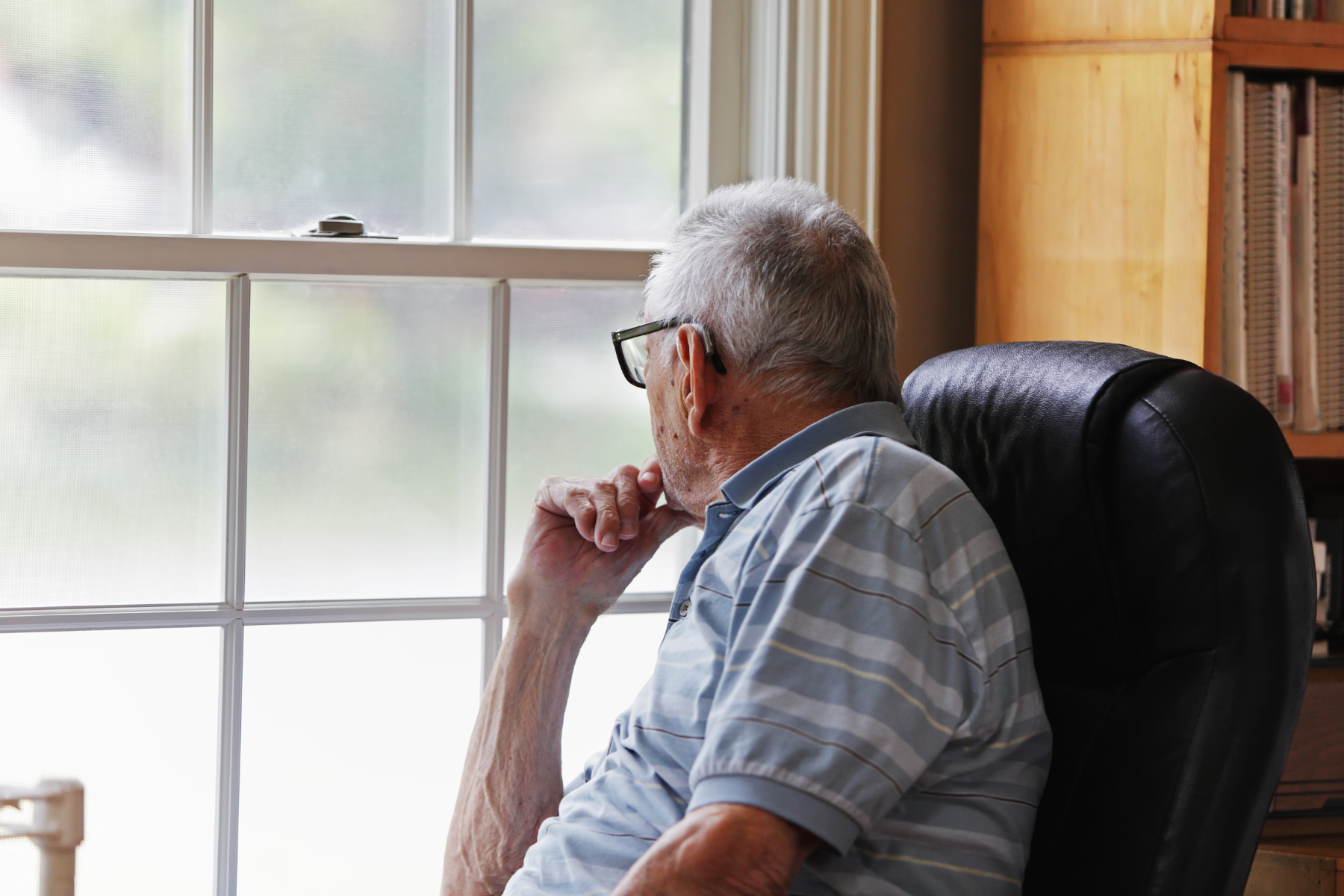
Loneliness refers to the feeling an individual perceives that the quality or quantity of social relationships they have is less than what they desire, and Social Isolation is an objective measure of the number of friends, family, or other social connections that an individual has and the frequency of contact they have with these social connections. Isolation and loneliness can have significant impacts on mental and physical health, and research has shown that social isolation poses more significant health risk than smoking, poor diet and lack of exercise.


Financial insecurity or financial distress can include income inadequacy, poverty, low income, low socio-economic status, income uncertainty, debt burden, cost of living strain, and impacts of the global economy. In Australia, the likelihood of dying by suicide is higher among Australians in the lowest income group compared to those in the highest income group, and those with higher income uncertainty have a higher probability of dying by suicide than those with lower income uncertainty.

Domestic and family violence, includes coercive control, sexual coercion, and physical, emotional and sexual abuse. Both perpetration and victimisation are associated with suicidality. Domestic and Family violence can involve threats of suicide by the perpetrator and incidents of murder-suicide.
Studies show that those who experience Intimate Partner Violence (IPV) are more likely to threaten or attempt suicide than the general population.

This area includes contact with the criminal justice system, all forms of incarceration (including forensic mental health), and family law and custody disputes. People who come into contact with the criminal justice system die by suicide at a higher rate than the general population, and this difference is higher for Indigenous Australians. Many who come into contact with the criminal justice system also experience chronic instability, abuse, neglect, and entrenched, intergenerational disadvantage, all of which can increase one's risk of dying by suicide.

This focus area includes dependency and all harms associated with the use of alcohol and other drugs, impacts on family and friends, and the effects of withdrawal. There is a significant body of international research demonstrating a link between alcohol and other drugs (AOD) and suicide. Alcohol is a potential risk factor of suicide, and people who engage in heavy alcohol consumption are more likely to die by suicide.