Available courses

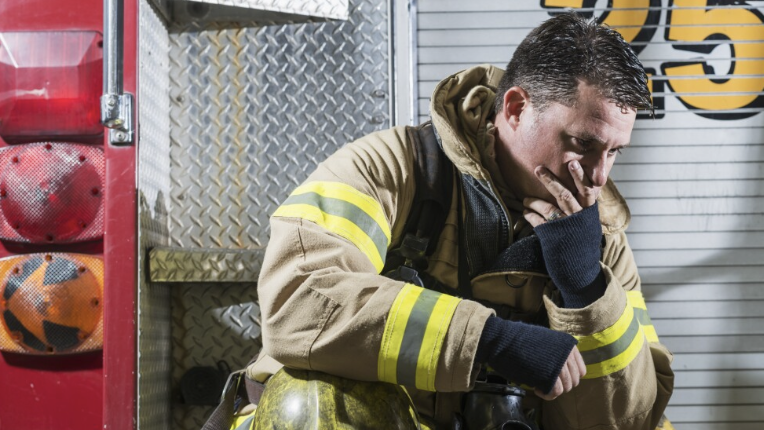
This course will introduce the foundational principles of  mental health wellbeing and support within the Fire Service. Firefighting personnel routinely face high-stress incidents and traumatic events that can significantly affect their emotional well-being. 

In 2025 the West Australian Department of Energy, Mines, Industry Regulation and Safety (DEMIRS) through the MARS (Mental Awareness Respect and Safety) program, initiated the development of a Competency Framework for Suicide Prevention in the WA Mining Industry, along with five introductory e-modules for those involved in the mining industry.

Specialist learning pathway, and extra information, for members of Australian Counselling Association

Suicide prevention is more than just a course or a workshop. Suicide prevention requires evidence-informed actions that promote wellbeing, early and effective intervention to reduce distress and suicidal behaviour. This requires a collective effort from everyone in the Australian community. It is increasingly recognised there is a need for a specific suicide prevention competency framework that addresses the knowledge, skills and attitudes and attributes of the diverse workforces in the suicide prevention sector. Workforces, and the broader community, need the support, tools and capability to reduce risk and distress, particularly as the first time a person discloses their distress is a critical moment.

This focus area includes specialist resources for those involved in health and other clinical services, such as General Practitioners, Nurses, Psychologists, and those involved in other allied health work.

Everyone has a role to play in the prevention of suicide.

Foundation Learning provides the starting point for your learning in suicide prevention. There are many learning pathways to follow, depending on your role and experience, which will enable you to undertake your lifelong learning to contribute to suicide prevention.


Here is an archive of Suicide Prevention Australia webinars.  Each webinar is recorded, and then edited for future reference, or presentations are uploaded for your on-going learning.

As recognised by the National Suicide Prevention Adviser (2020), this learning area focusses on populations and groups disproportionality affected by suicidal behaviour. The learning will consider the factors that may increase distress, isolation and exclusion, and how our approach to helping can be tailored to support vulnerable population groups.

This learning area can be focussed on one or more populations and groups, noting the intersectionality between groups.


There is growing evidence that social, economic and environmental factors, such as cost of living, unemployment, and isolation are associated with an increased risk of suicidal behaviour. Understanding how socio-economic and environmental factors affect the risk of suicidal behaviour is important to better inform strategies to reduce suicide in Australia. As suicide is complex it is difficult to attribute any one determinants as a cause of suicide but they can have a cumulative and detrimental effect on suicidal thoughts and behaviour. 

This area can be studied at a general level by considering the cumulative risk of various determinants, or by learning about specific and individual socio-economic and environmental determinants, while recognising the interaction between the determinants.


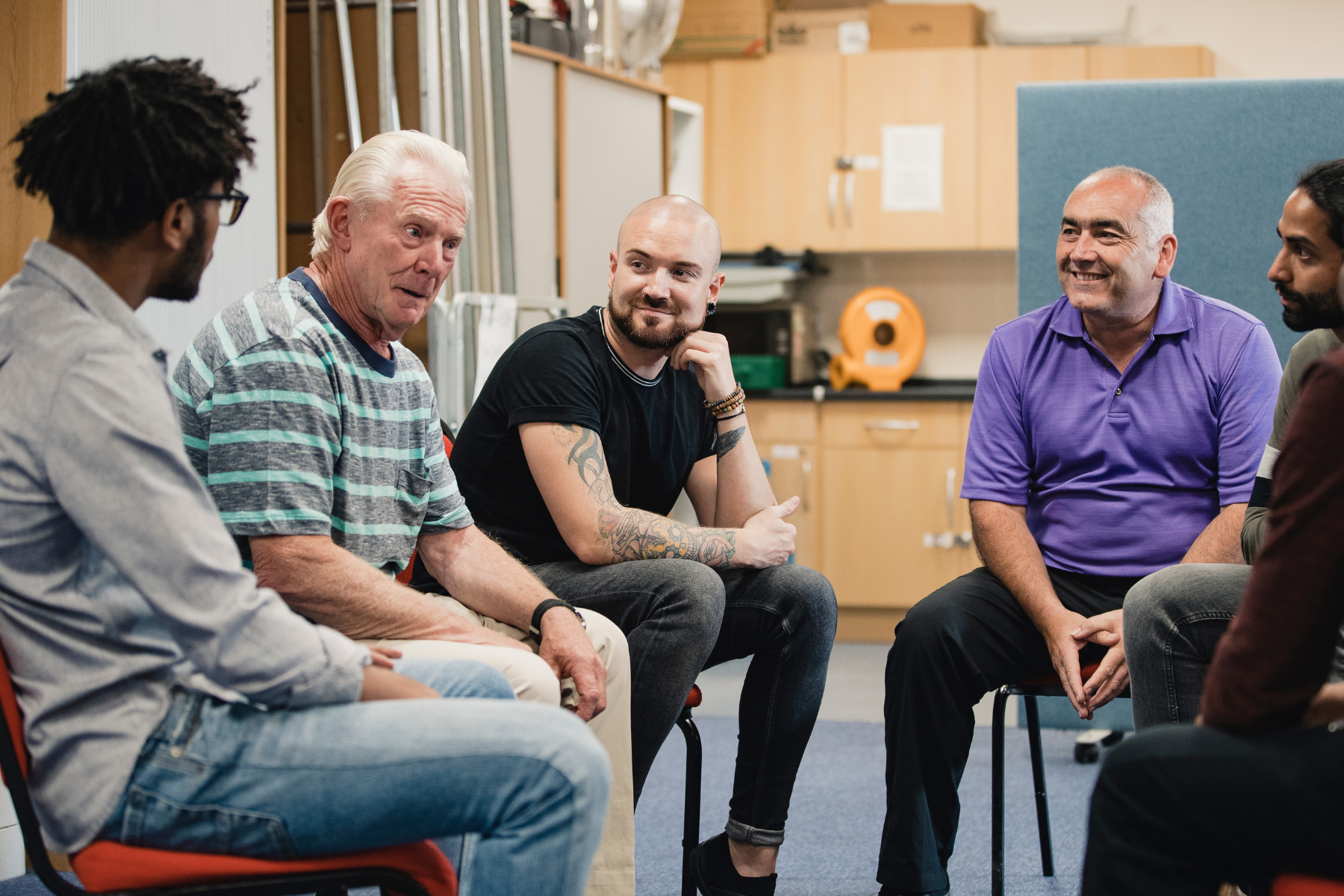
A lived experience of suicide can range from suicidal thoughts and behaviours, surviving a suicide attempt, caring for someone through crisis, or being bereaved by suicide. People with lived experience are uniquely placed to inform how we can better identify people before they reach a crisis point, support people through a crisis, and support those grieving and/or bereaved.. The insights of people with lived experience can both help to inform best practice in service delivery and lead someone to use their own story to help others.

This area of learning includes engaging co-design in all suicide prevention activities. 


Many people who experience suicide distress may have a personal history, involving physical, psychological and/or emotional trauma. 

Trauma-informed approaches seek to avoid re-traumatisation by empowering individuals in decision making, creating safety and trust, choice and collaboration, and building strengths and skills in problem-solving and mental health. Neria et al (2002) suggest that almost 70% of people experience at least one traumatic event in their lifetimes.

This focus area explores trauma-informed approaches and how they can be applied in suicide prevention. 


Support after suicide, or postvention, includes support and resources for people and communities who have been bereaved or impacted by suicide and suicidal behaviour. People bereaved or impacted by suicide are at higher risk of suicide themselves, and as such, postvention is in itself a form of suicide prevention.  

This area of learning covers strategies, research and practices for those supporting bereaved and impacted individuals and communities, and can be specific to individual settings, such as schools, workplaces or community groups. 


Suicide prevention strategies include the provision of training, learning and development activities for a diverse range of people. Training may be delivered to raise awareness, develop gatekeepers and intervention skills, as well as to help individuals develop resilience, self-care, and help seeking skills. This area of learning is for people who are involved in the delivery of learning resources and includes information on both train-the-trainer-type activities, along with research into learning strategies.


Research into the various factors influencing suicide along with strategies for the prevention of suicide is crucial. This area of learning relates specifically to those engaged in academic research into suicide prevention. Researchers have specific learning needs.


LGBTIQA+ encompasses a diverse range of sexual orientations, gender identities and expressions, reflecting a broad range of human experiences. LGBTIQA+ people have higher rates of mental ill-health and suicide than the general population in Australia. Evidence shows that the elevated risk of suicidality is strongly linked with the continuing experience of stigma, discrimination and exclusion, and the subsequent trauma from these experiences. LGBTIQA+ individuals still face discrimination from familial, personal and workplace connections. 

Whilst we have come a long way, there is still work to be done to ensure LGBTIQA+ people are properly included in Australia’s health planning and policy.

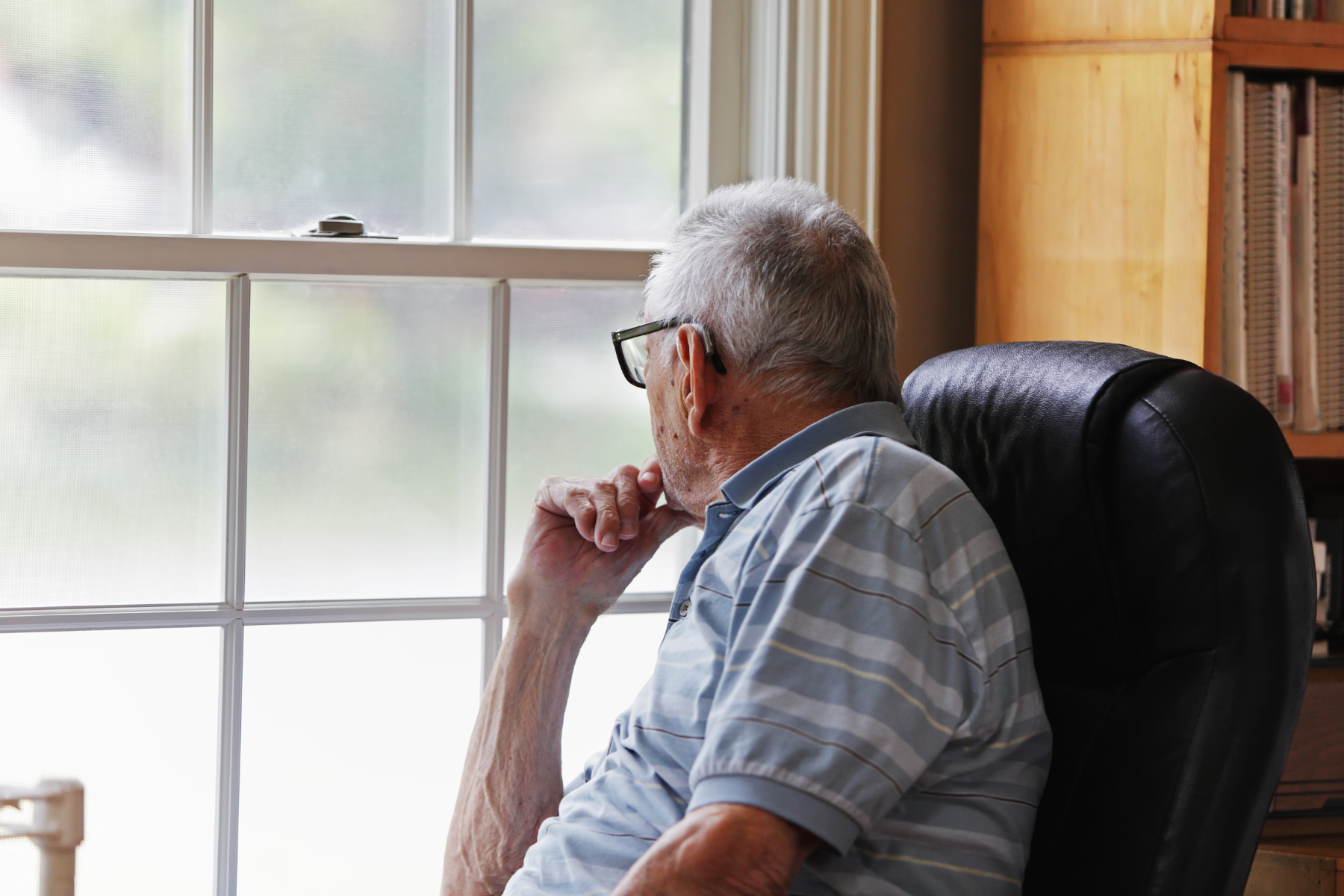
Older people are vulnerable to many socio-economic determinants of suicide including loneliness and isolation, chronic pain, financial insecurity, and grief. 

Older Australians are a diverse group, with different cultural and socioeconomic backgrounds, life experiences, and lifestyles. They generally include those aged 65 years and over. Older people also make up a considerable proportion of Australia’s population – on 30 June 2023, almost 1 in 6 people (17%) were aged 65 years and over (ABS 2024). 

As people get older, they may become more vulnerable to certain risk factors for suicide and self-harm. For instance, suicidality is associated with loneliness, social isolation, and perceived burdensomeness in older people. In contrast, strong social support, community engagement and maintaining physical health are protective factors against suicide and self-harm.


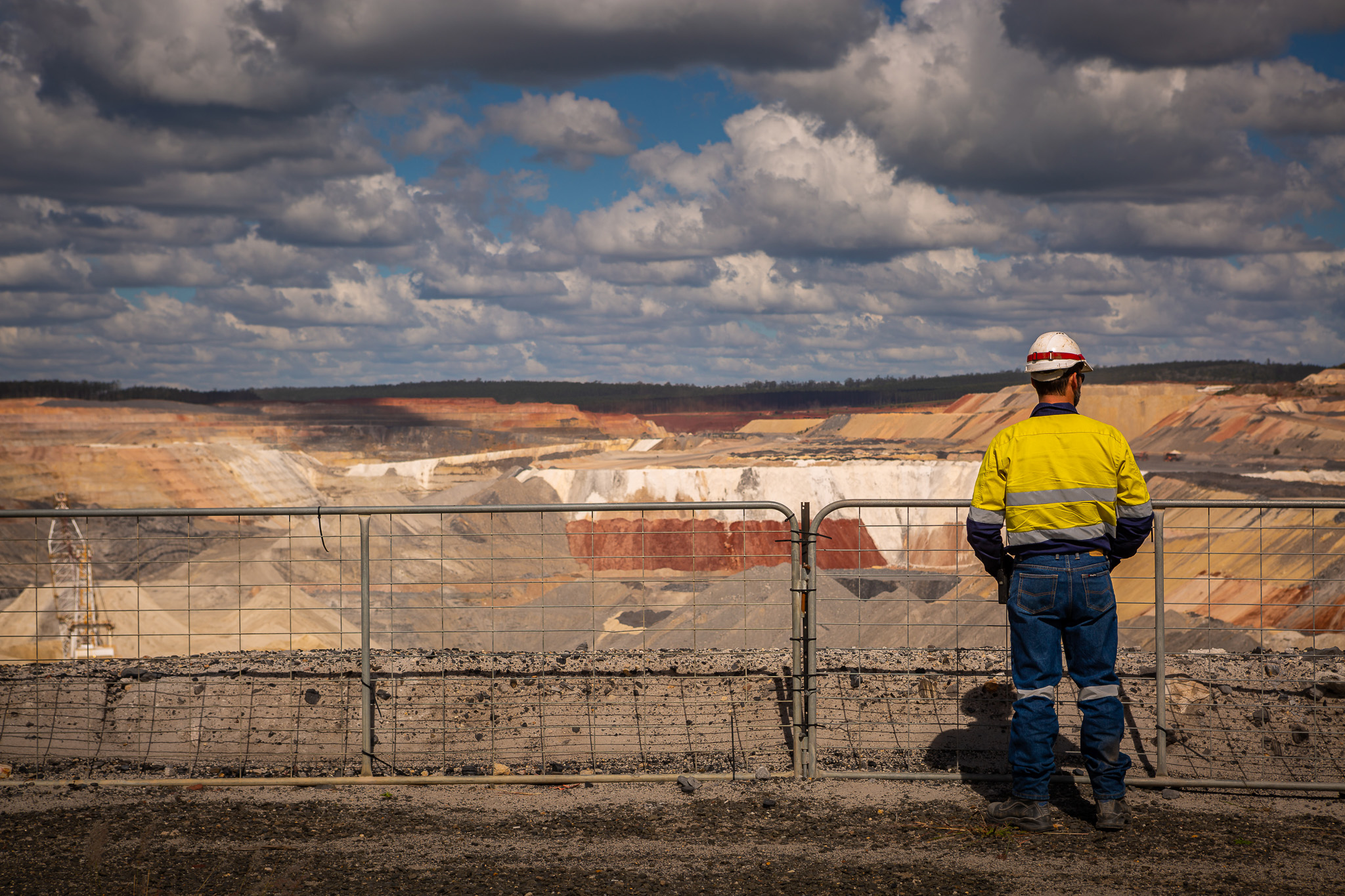
Suicide is the leading cause of death among young Australians aged 15-24, with Aboriginal and Torres Strait Islander youth experiencing a suicide rate four times higher than their non-indigenous peers.

Early intervention and prevention efforts are crucial to reaching at-risk young people before they reach crisis points.

Explore resources specific to suicide among children and youth (under the age of 25 years), and the value of co-designed services for young people in crisis. 

While men are 3 times more likely to die by suicide than women, twice as many women present to hospitals for suicide attempts than men. Women tend to be more vulnerable to domestic and family violence, social isolation, and financial insecurity, yet are also more likely to seek help. Areas of intersectionality may also impact with other risk factors such as being part of the LGBTIQA+ and Culturally and Linguistically Diverse communities.

Many people in Defence and veteran communities encounter difficulties when transiting out of Defence, and afterwards. There are high suicide rates present for veterans compared to the general population, but not for currently serving personnel. While some problems tend to occur at the point of transition, some solutions need to be implemented far earlier. Issues that are interrelated include moral injury, social isolation, negative Defence culture and support services and transition.

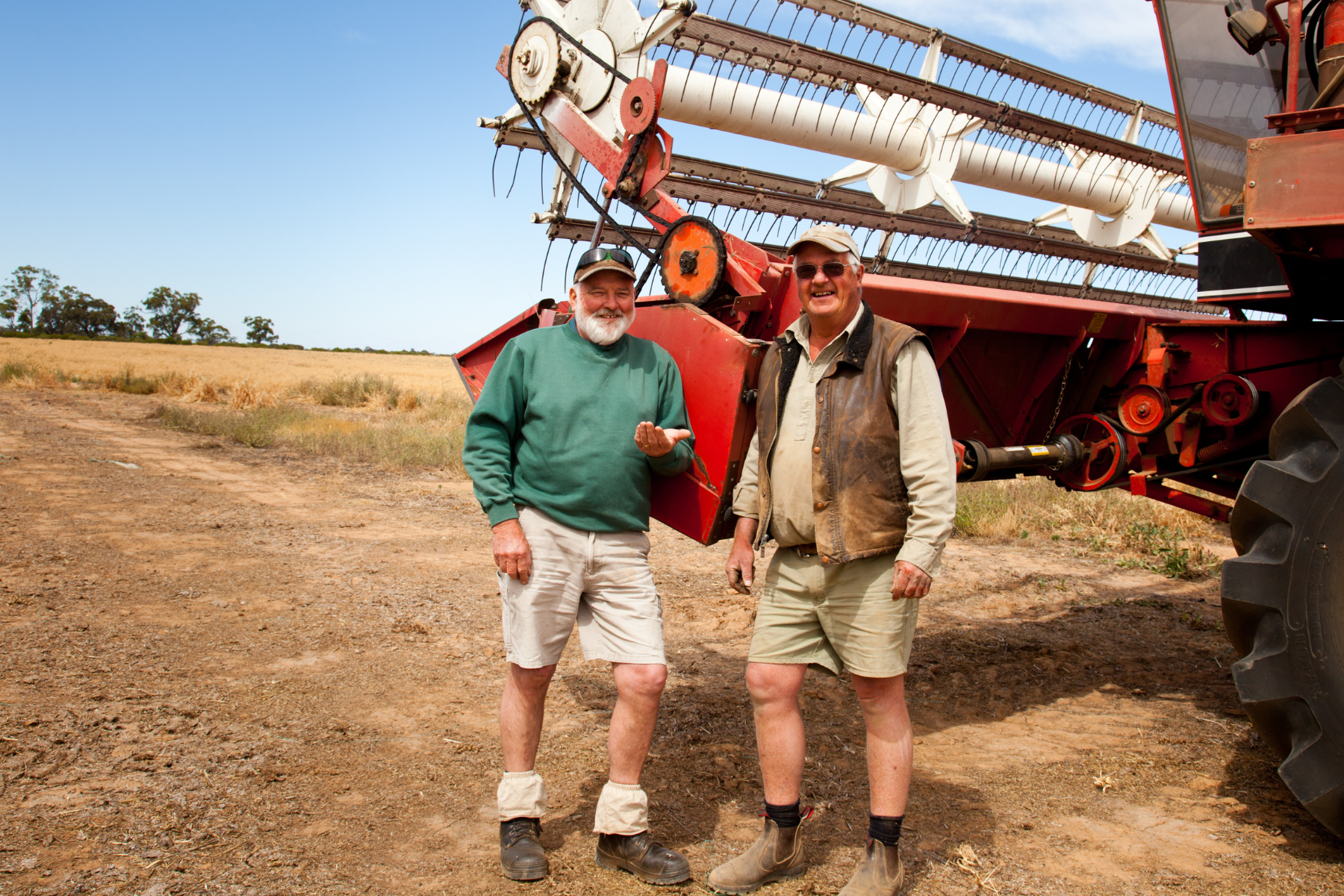
In Australia farming populations have higher rates of suicide than metropolitan communities. Stoicism, and stigma around mental ill-health are prevalent in regional, rural and remote areas, which can lead to a reluctance to seek help. Often, however, people living in these communities are more susceptible to social isolation, the impacts of relationship breakdown and financial distress. 

Many people living with mental health issues aren't suicidal, and not all people who take their own lives have a mental health issue. A history of mental health conditions such as depression, anxiety, bipolar, post-traumatic stress disorder, or eating disorders, is a risk factor for suicide. 

Australia has one of the largest multicultural populations in the world, with cultural and linguistic diversity a defining feature. There are a number of factors impacting people from Culturally and Linguistically Diverse backgrounds that may result in them being more at risk of suicide. Within the diverse population groups, there is data to suggest that people from immigrant and refugee backgrounds may experience significant levels of psychological distress compared with other people in Australia. 

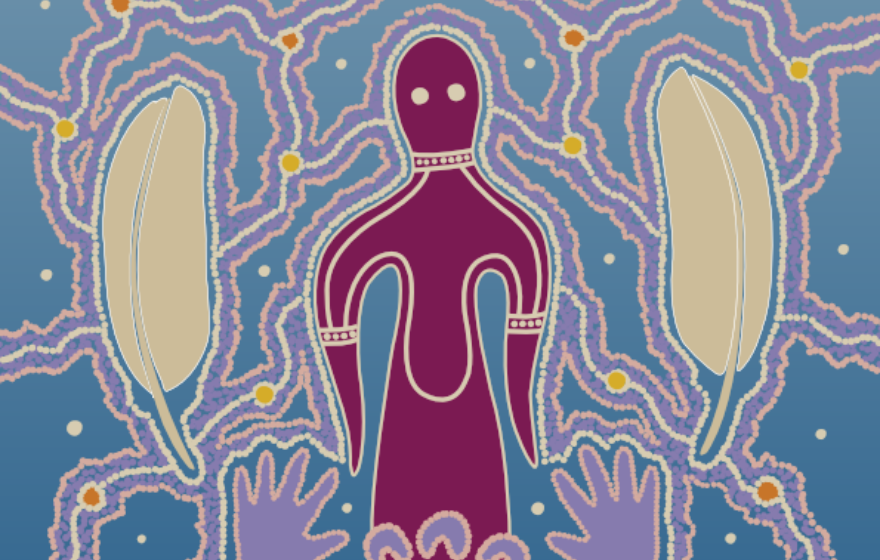
Aboriginal and Torres Strait Islander peoples are disproportionately affected by suicide via several social factors, such as poverty, physical and mental health, incarceration, and intergenerational trauma, which are commonly the long-term results of colonisation and systemic racism.
This focus area explores social and emotional wellbeing, and culturally safe approaches to addressing suicidal behaviour among Aboriginal and Torres Strait Islander Suicide Prevention. 

Men account for three quarters of death by suicide in Australia. Workplace is a key driver for distress among men. For example, 80% of the transport industry workforce identify as male. The transport industry experiences complex stressors such as long hours of isolation (particularly for long-haul truck drivers), exposure to trauma, limited job control (e.g. traffic, unloading vehicle times). Under-employment and discrete periods of employment and un-employment which happens in the construction industry can lead to financial stress. A greater focus on addressing psychosocial hazards in workplaces for men is required.

Loneliness refers to the feeling an individual perceives that the quality or quantity of social relationships they have is less than what they desire, and Social Isolation is an objective measure of the number of friends, family, or other social connections that an individual has and the frequency of contact they have with these social connections. Isolation and loneliness can have significant impacts on mental and physical health, and research has shown that social isolation poses more significant health risk than smoking, poor diet and lack of exercise.

Gambling can leave people vulnerable to suicide, and can contribute to several risk factors, including financial loss and relationship breakdown. There are gaps in data, as gambling history is not always recorded or acknowledged when investigating a suicide or unexplained death. There is also a heightened risk of suicide for people affected by a family member's gambling.

Financial insecurity or financial distress can include income inadequacy, poverty, low income, low socio-economic status, income uncertainty, debt burden, cost of living strain, and impacts of the global economy. In Australia, the likelihood of dying by suicide is higher among Australians in the lowest income group compared to those in the highest income group, and those with higher income uncertainty have a higher probability of dying by suicide than those with lower income uncertainty.

Domestic and family violence, includes coercive control, sexual coercion, and physical, emotional and sexual abuse. Both perpetration and victimisation are associated with suicidality. Domestic and Family violence can involve threats of suicide by the perpetrator and incidents of murder-suicide.

Studies show that those who experience Intimate Partner Violence (IPV) are more likely to threaten or attempt suicide than the general population.

This area includes contact with the criminal justice system, all forms of incarceration (including forensic mental health), and family law and custody disputes. People who come into contact with the criminal justice system die by suicide at a higher rate than the general population, and this difference is higher for Indigenous Australians. Many who come into contact with the criminal justice system also experience chronic instability, abuse, neglect, and entrenched, intergenerational disadvantage, all of which can increase one's risk of dying by suicide.

This focus area includes dependency and all harms associated with the use of alcohol and other drugs, impacts on family and friends, and the effects of withdrawal. There is a significant body of international research demonstrating a link between alcohol and other drugs (AOD) and suicide. Alcohol is a potential risk factor of suicide, and people who engage in heavy alcohol consumption are more likely to die by suicide.

Research proposals and submissions for review for Suicide Prevention PhD Scholarships 2024. This area can only be accessed by invitation and requires an enrolment key.

For more information on Suicide Prevention Research Grants, please click here

The R&D team 
Suicide Prevention Competency Framework
Accreditation
Learnlinc
Projects

Developed Material for Review

Induction and orientation training for SPA Staff