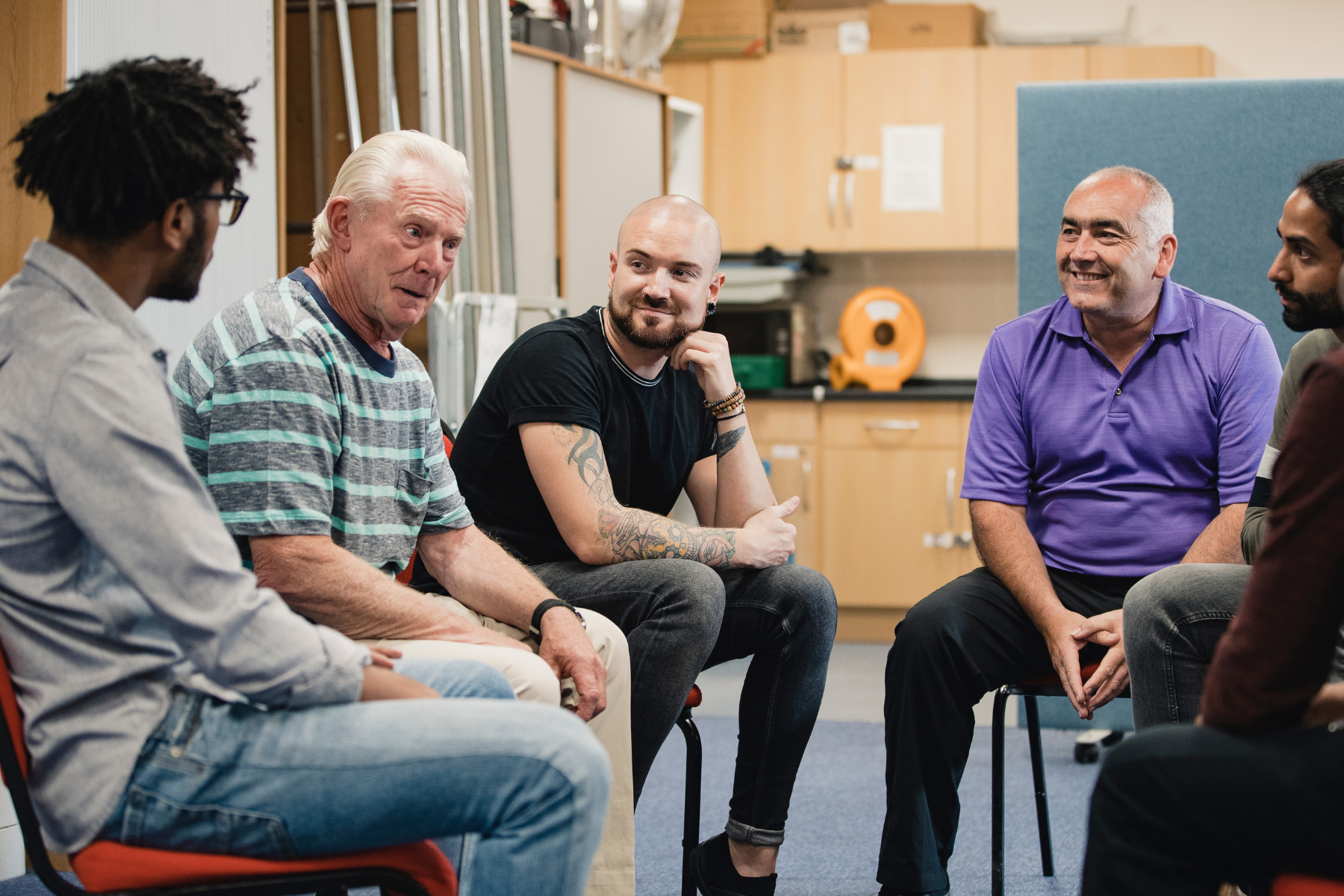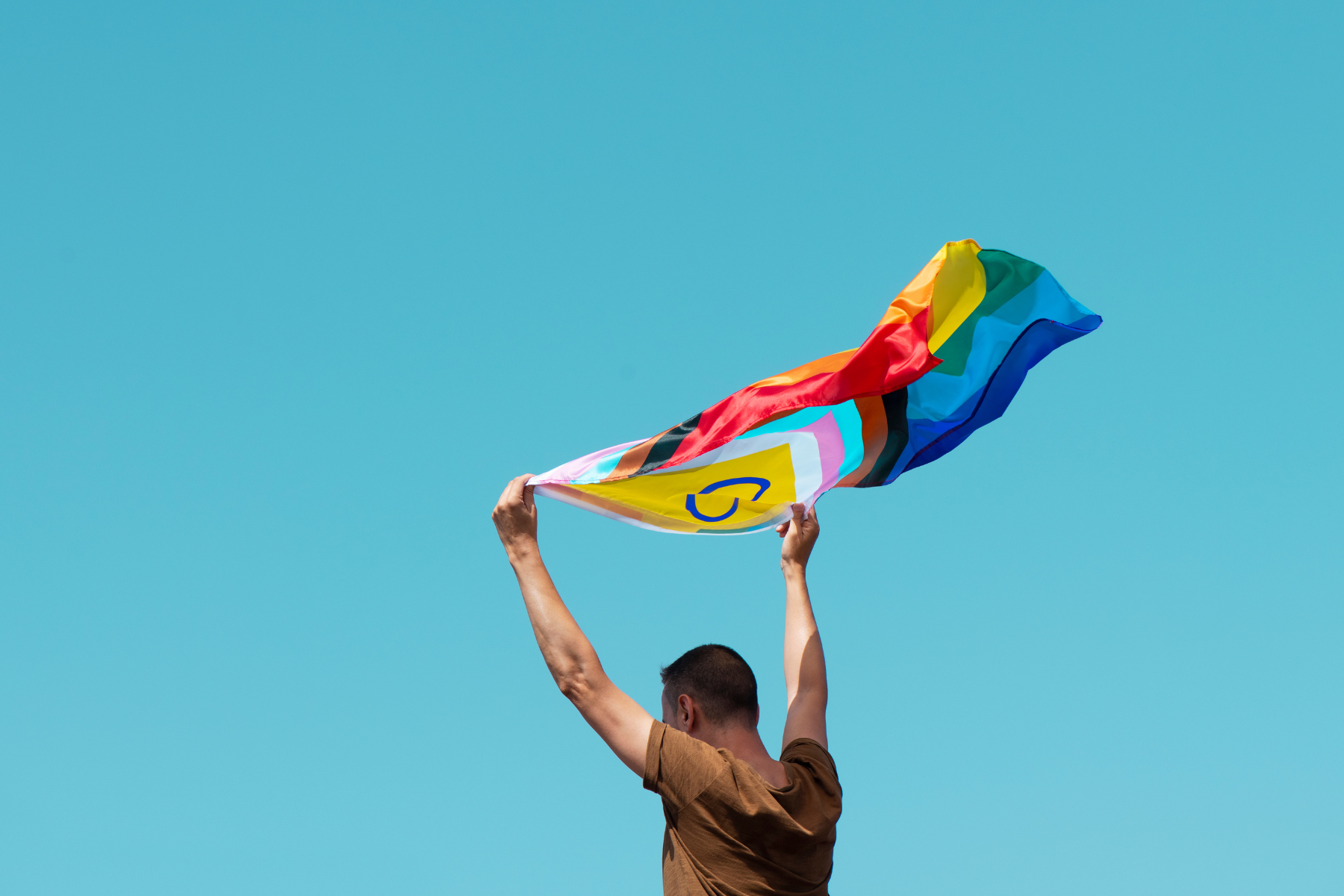
LGBTIQA+ encompasses a diverse range of sexual orientations, gender identities and expressions, reflecting a broad range of human experiences. LGBTIQA+ people have higher rates of mental ill-health and suicide than the general population in Australia. Evidence shows that the elevated risk of suicidality is strongly linked with the continuing experience of stigma, discrimination and exclusion, and the subsequent trauma from these experiences. LGBTIQA+ individuals still face discrimination from familial, personal and workplace connections.
Whilst we have come a long way, there is still work to be done to ensure LGBTIQA+ people are properly included in Australia’s health planning and policy.
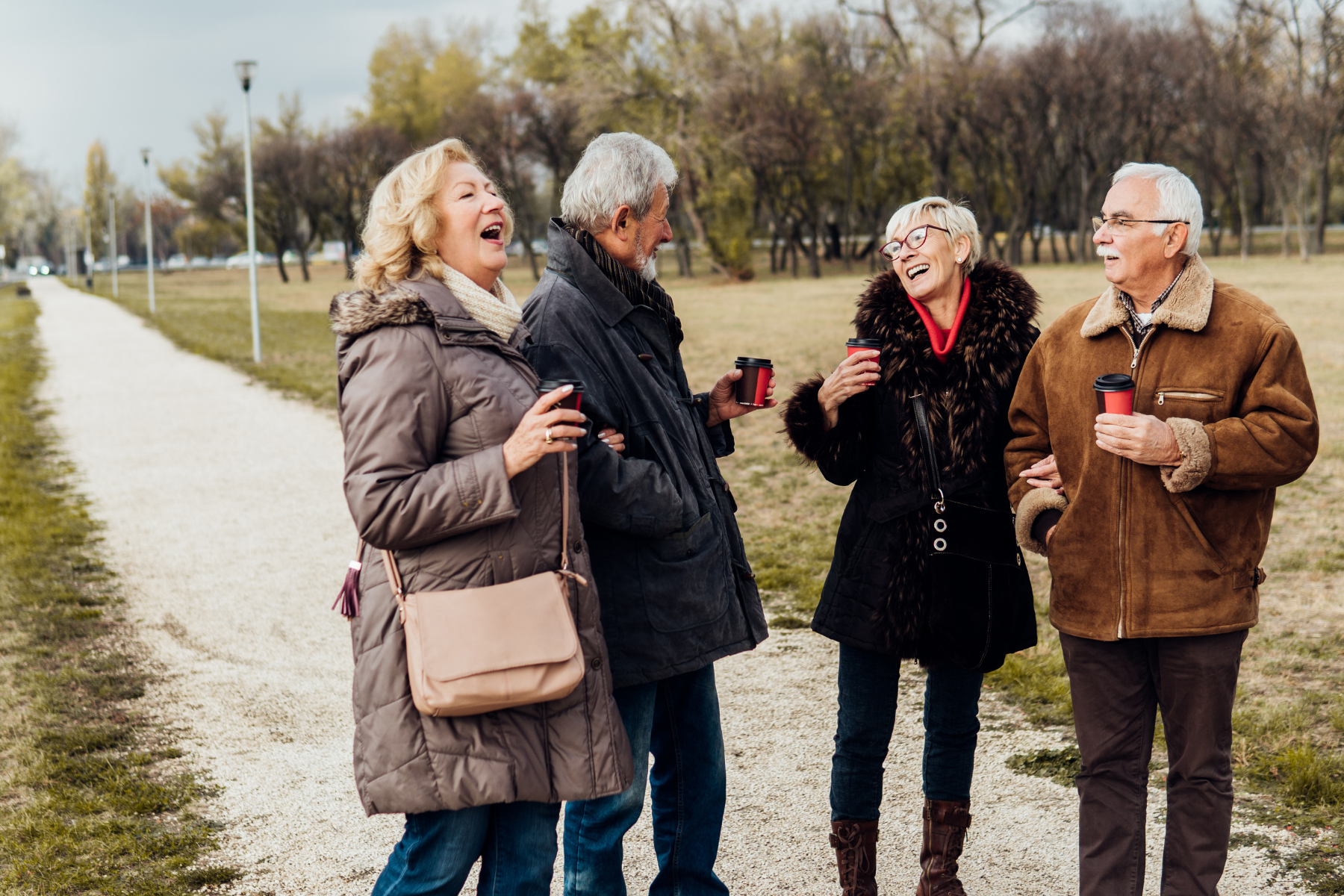
Older people are vulnerable to many socio-economic determinants of suicide including loneliness and isolation, chronic pain, financial insecurity, and grief.
Older Australians are a diverse group, with different cultural and socioeconomic backgrounds, life experiences, and lifestyles. They generally include those aged 65 years and over. Older people also make up a considerable proportion of Australia’s population – on 30 June 2023, almost 1 in 6 people (17%) were aged 65 years and over (ABS 2024).
As people get older, they may become more vulnerable to certain risk factors for suicide and self-harm. For instance, suicidality is associated with loneliness, social isolation, and perceived burdensomeness in older people. In contrast, strong social support, community engagement and maintaining physical health are protective factors against suicide and self-harm.
Early intervention and prevention efforts are crucial to reaching at-risk young people before they reach crisis points.
Explore resources specific to suicide among children and youth (under the age of 25 years), and the value of co-designed services for young people in crisis.

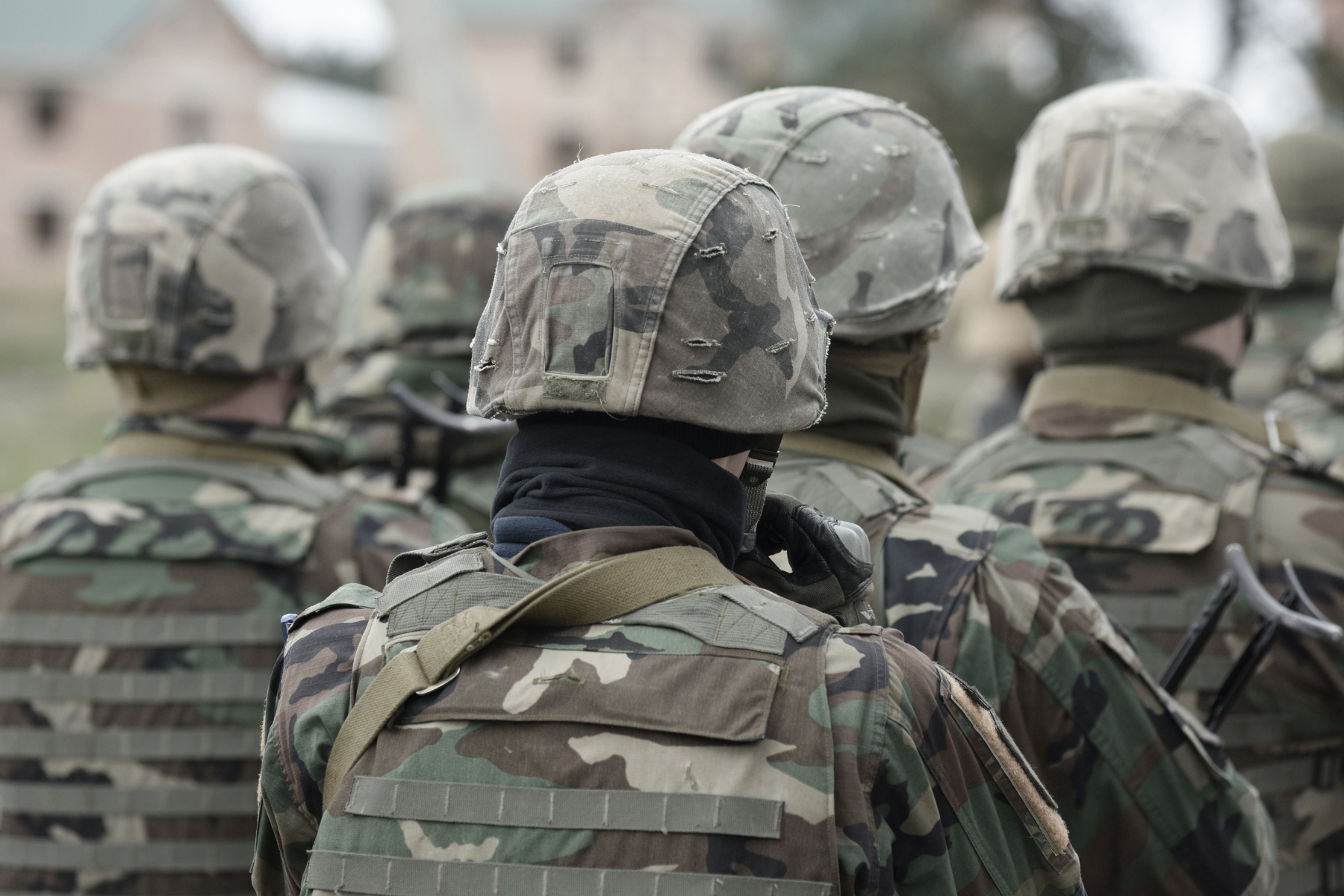
Many people in Defence and veteran communities encounter difficulties when transiting out of Defence, and afterwards. There are high suicide rates present for veterans compared to the general population, but not for currently serving personnel. While some problems tend to occur at the point of transition, some solutions need to be implemented far earlier. Issues that are interrelated include moral injury, social isolation, negative Defence culture and support services and transition.
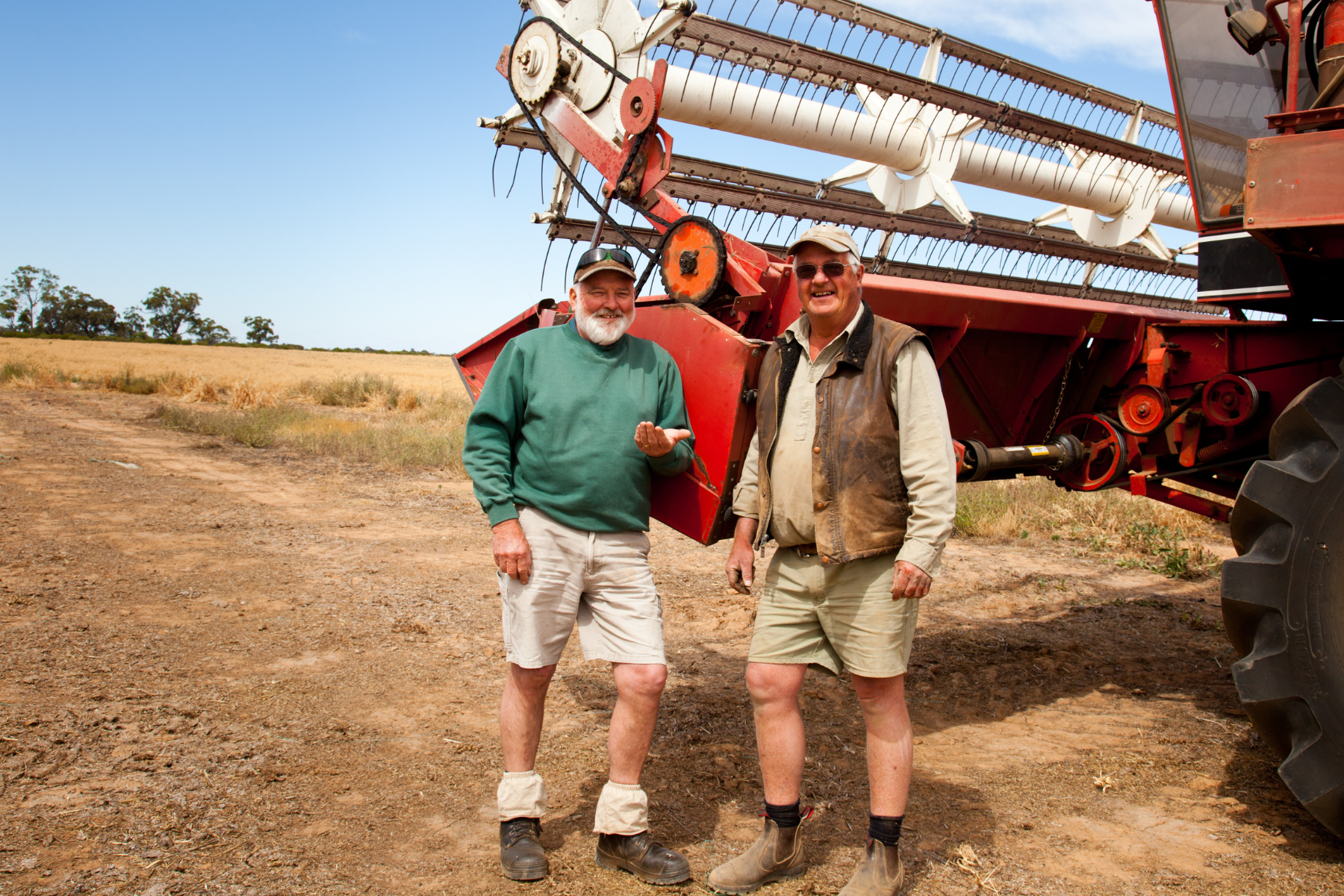
In Australia farming populations have higher rates of suicide than metropolitan communities. Stoicism, and stigma around mental ill-health are prevalent in regional, rural and remote areas, which can lead to a reluctance to seek help. Often, however, people living in these communities are more susceptible to social isolation, the impacts of relationship breakdown and financial distress.
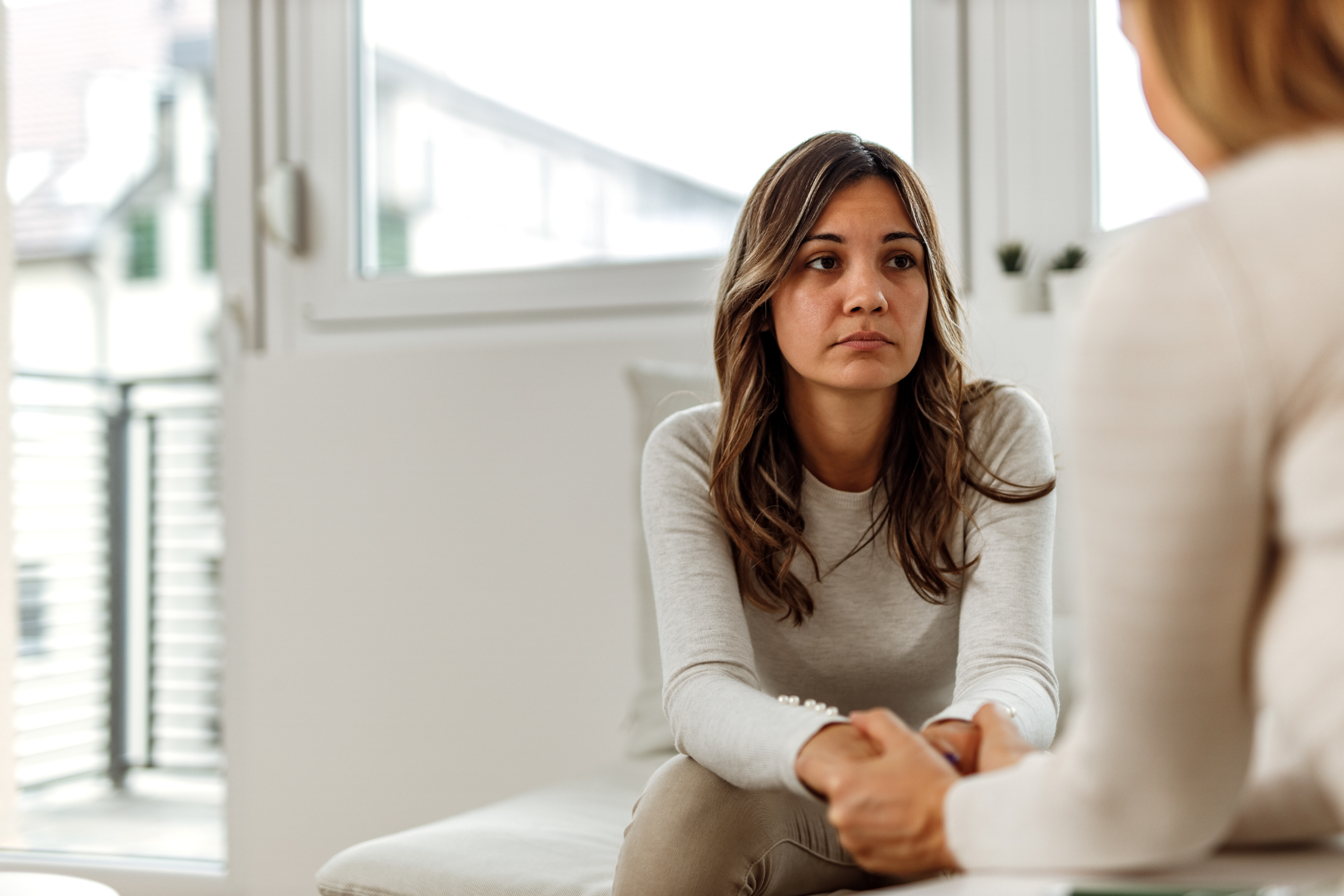

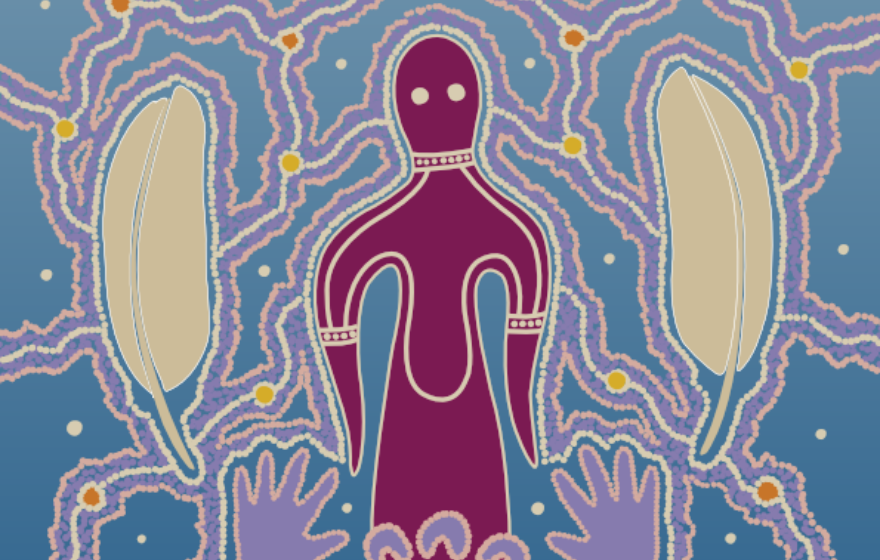
Aboriginal and Torres Strait Islander peoples are disproportionately affected by suicide via several social factors, such as poverty, physical and mental health, incarceration, and intergenerational trauma, which are commonly the long-term results of colonisation and systemic racism.
This focus area explores social and emotional wellbeing, and culturally safe approaches to addressing suicidal behaviour among Aboriginal and Torres Strait Islander Suicide Prevention.